What is PTFE filament?
2025-08-30
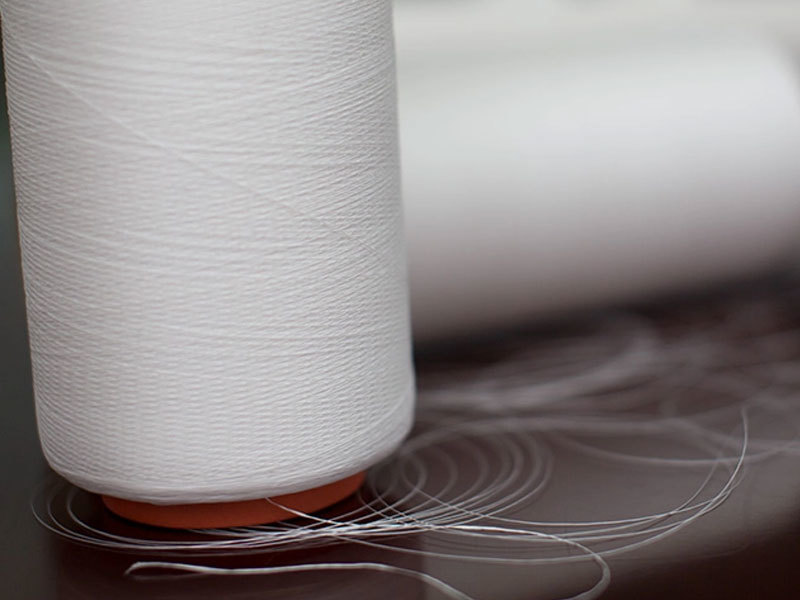
PTFE filaments (also known as polytetrafluoroethylene filaments) are continuous fibers produced by processing PTFE (polytetrafluoroethylene) resin through a specialized spinning technique. Their core value lies in combining PTFE's exceptional "resistance to extreme environments" with the filaments' unique "woven, high-strength" properties, making them a key raw material for specialty textiles and functional components designed for demanding industrial applications.
I. Core Features: The Dual Advantages of Material Essence and Filament Morphology
The properties of PTFE filaments stem from the inherent characteristics of PTFE resin, while the filament form endows them with unique processing and application potential. These core features can be summarized as "five resistances, one low, and one strong":
Withstands extreme temperatures: It can operate continuously within a temperature range of -200°C to 260°C, and briefly endure temperatures exceeding 300°C without degrading. At low temperatures, it remains crack-free, while at high temperatures, it neither melts nor softens—far surpassing the thermal limits of conventional fibers like nylon and polyester.
Highly resistant to strong corrosives: It shows no reaction whatsoever to strong acids (such as sulfuric acid and nitric acid), strong bases (like sodium hydroxide and potassium hydroxide), strong oxidizing agents (such as potassium permanganate), and nearly all organic solvents (including ethanol, acetone, toluene, and more). As a result, it remains unaffected by corrosion, dissolution, or aging—making it the "weathering champion" for harsh, highly corrosive chemical environments.
Age and weather resistance: It does not react with oxygen or ozone in the air, maintaining its performance even after prolonged exposure to UV light and humid environments—without any degradation. Its service life can exceed 10 years, far surpassing that of traditional fibers (such as polyester, which typically begins to age after just 3 to 5 years of outdoor use).
Highly friction-resistant and low-viscosity: The surface boasts an extremely low coefficient of friction—just 0.04, the lowest ever recorded among known solid materials—and exhibits exceptional "non-stick" properties, making it difficult for liquids, dust, or sticky substances to adhere. At the same time, it demonstrates outstanding wear resistance, remaining durable and free from cracking or degradation even after prolonged frictional use.
Electrical Breakdown Resistance: Features excellent insulation performance, with a stable dielectric constant (2.0–2.2) and high breakdown voltage resistance (>20 kV/mm). It maintains reliable insulation even in high-temperature and humid environments, making it ideal for electrical insulation applications.
High Strength and Flexibility: As a filament, it boasts a tensile strength of 2.5 to 4.0 cN/dtex—higher than that of conventional PTFE staple fibers—while maintaining excellent flexibility. It can withstand repeated bending without breaking, making it ideal for weaving into various forms such as fabrics, tapes, and ropes.
Previous entry:
Recommended News
Contact us
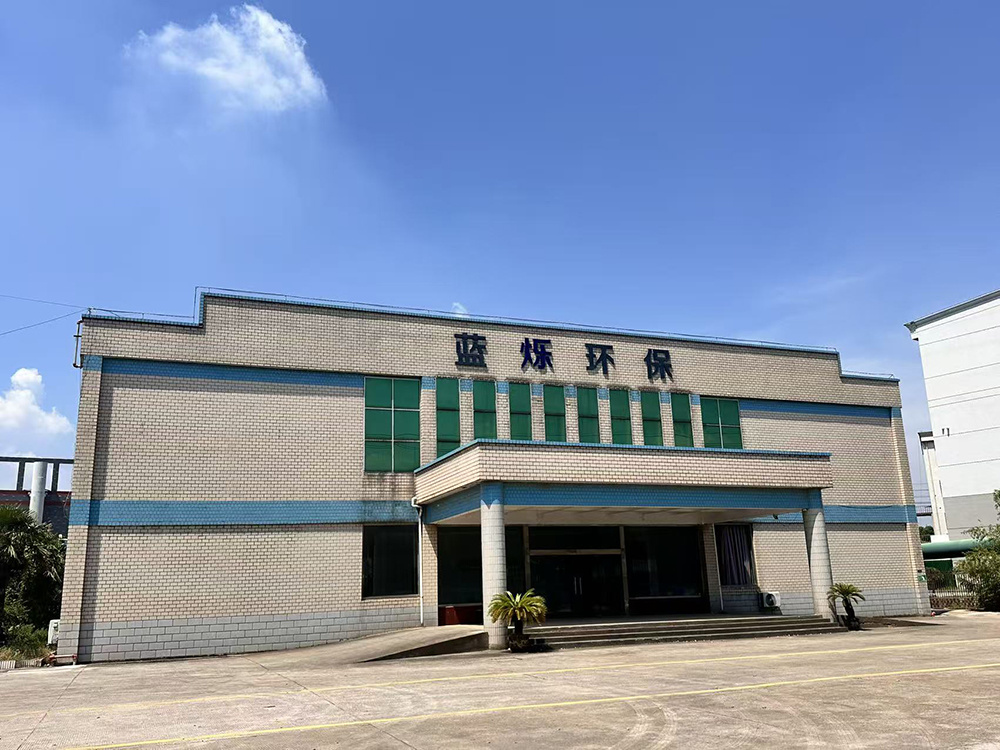
Changzhou Lanshuo Environmental Technology Co., Ltd.
Changzhou Lanchuang Environmental Technology Co., Ltd.
Phone:0519-80896086
Contact: Li Shanyi13608355513
Contact: Liu Zhirui15216862207
Email:liuzhirui0908@163.com
Address: No. 2 Xin'an South Road, Aitou Town Industrial Park, Liyang City, Changzhou Municipality


Scan to view the mobile website