What industries is PTFE primarily used in?
2020-03-20
Common methods include injection, extrusion, molding, and coating. PTFE is widely used in fields such as electronics, electrical appliances, chemical industry, and machinery. In the electronics and electrical appliance sector, it is employed to manufacture wire insulation layers, cable sheaths, components for nuclear reactor equipment, miniature potentiometers, and anti-backlash threaded sliders, among other applications. In the chemical industry, PTFE is utilized to create corrosion-resistant linings for pipes, fittings, valves, pumps, storage tanks, and towers, as well as heat exchangers, filter cloths, and packaging containers for chemicals. In the mechanical field, PTFE is used to produce gears, bearings, thin-walled structural parts, mechanical components designed for cryogenic temperatures, and sealing materials.
PVDF is a white, crystalline powder with high mechanical strength and outstanding wear resistance. Its mechanical properties are particularly notable: PVDF has a crystallinity of about 68%, with the most common crystal forms being Type II and Type I. These two crystal structures remain stable at room temperature and often coexist in molded products, significantly influencing the material's overall physical and mechanical performance based on their respective proportions. Compared to PTFE, PVDF boasts superior mechanical strength, along with excellent compressive resistance and exceptional creep resistance. Additionally, PVDF films exhibit remarkable flexibility, with a flex life exceeding 75 × 10³ cycles.
1. Regarding heat resistance and radiation resistance, PVDF can be used continuously over a long period at temperatures ranging from -70°C to 150°C. It exhibits superior radiation resistance compared to PTFE—after being exposed to UV light with wavelengths between 200 and 400 nm for one year, its performance remains virtually unchanged. Moreover, when subjected to gamma-ray irradiation levels below 107 Gy, PVDF actually shows improved mechanical properties.
In terms of electrical performance, PVDF possesses significant polarity, resulting in a very high dielectric constant and a relatively large tangent of the dielectric loss angle. Its electrical characteristics are highly sensitive, influenced by factors such as crystal structure and degree of crystallinity. Like PTFE, PVDF has an extremely low water absorption rate, ensuring that its electrical performance remains stable even under high-temperature conditions or in environments where it is immersed in water.
As for chemical resistance, PVDF’s ability to withstand chemicals is slightly inferior to that of PTFE, PCTFE, and other fluoropolymers.
2. It exhibits excellent resistance to inorganic acids and bases, but shows relatively poor resistance against organic acids and organic solvents. Its molding/processing methods include injection, compression molding, extrusion, and coating. PVDF holds a unique position in the electronics and electrical industries, as it is widely used to produce high-performance piezoelectric and thermoelectric sensing components. Compared to other piezoelectric materials, PVDF offers several distinct advantages in the electronics and electrical sectors: it boasts superior flexibility, excellent moldability that allows for both thin-film formation and large-area processing, and a significantly higher piezoelectric output constant.
Previous entry:
Next:
Recommended News
Contact us
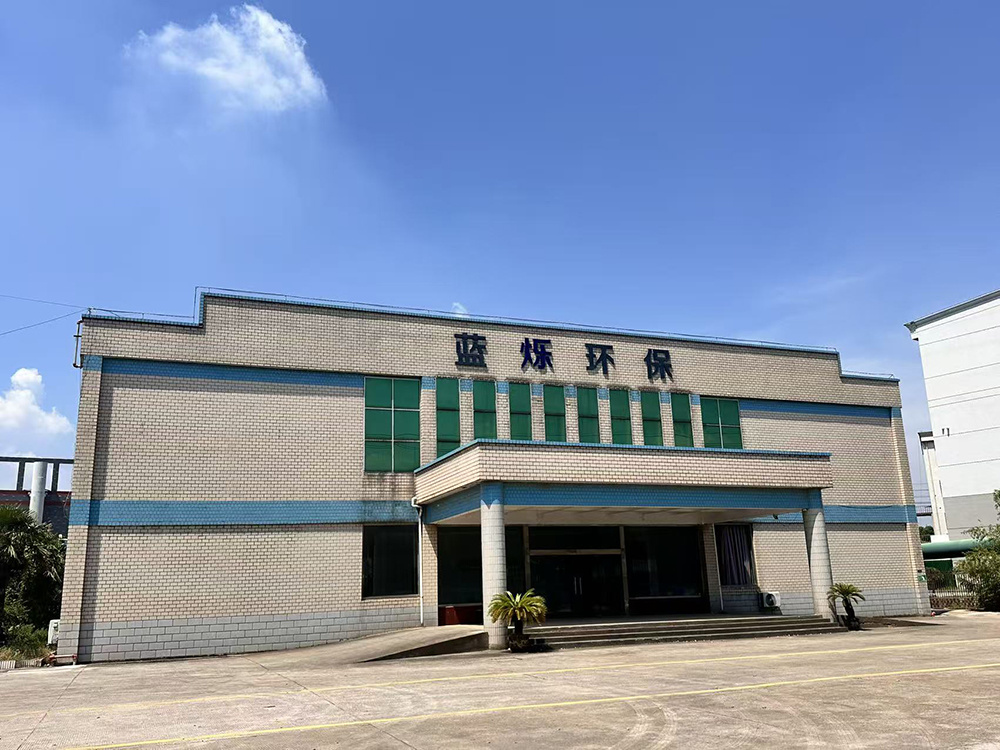
Changzhou Lanshuo Environmental Technology Co., Ltd.
Changzhou Lanchuang Environmental Technology Co., Ltd.
Phone:0519-80896086
Contact: Li Shanyi13608355513
Contact: Liu Zhirui15216862207
Email:liuzhirui0908@163.com
Address: No. 2 Xin'an South Road, Aitou Town Industrial Park, Liyang City, Changzhou Municipality


Scan to view the mobile website
Business license